

As a supplier of Air Vent Testing Equipment, I've had the privilege of witnessing firsthand the critical role this equipment plays in various industries. From automotive to HVAC, air vent testing is essential for ensuring optimal performance, safety, and compliance. However, like any technology, air vent testing equipment is not without its challenges. In this blog post, I'll explore some of the common problems that users encounter with air vent testing equipment and discuss potential solutions.
1. Accuracy and Calibration Issues
One of the most significant problems with air vent testing equipment is accuracy. Inaccurate readings can lead to incorrect assessments of air vent performance, which can have serious consequences for the overall system. For example, in an automotive HVAC system, inaccurate air vent testing could result in improper temperature regulation, reduced comfort for passengers, and even potential safety hazards.
Calibration is a crucial factor in ensuring the accuracy of air vent testing equipment. Over time, the sensors and components of the equipment can drift, leading to inaccurate readings. Regular calibration is necessary to maintain the accuracy of the equipment. However, calibration can be a complex and time-consuming process, especially for equipment that is used in harsh environments or subjected to frequent use.
To address accuracy and calibration issues, it's important to choose air vent testing equipment from a reputable supplier that offers reliable calibration services. Additionally, users should follow the manufacturer's recommendations for calibration frequency and procedures. Some modern air vent testing equipment comes with built-in calibration features that can simplify the process and ensure more accurate readings.
2. Compatibility and Integration Problems
Another common problem with air vent testing equipment is compatibility and integration with other systems. In many industries, air vent testing equipment needs to be integrated with other testing and monitoring systems to provide a comprehensive view of the overall system performance. For example, in an automotive manufacturing plant, air vent testing equipment may need to be integrated with the injection molded part inspection system, door actuator testing system, interior trim testing equipment, and motor testing equipment.
Compatibility issues can arise when the air vent testing equipment uses different communication protocols, data formats, or interfaces than the other systems. This can make it difficult to transfer data between the systems and can lead to errors and inefficiencies. Integration problems can also occur when the air vent testing equipment is not designed to work with the specific components or systems in the application.
To overcome compatibility and integration problems, it's important to choose air vent testing equipment that is designed to be compatible with other systems. Look for equipment that supports standard communication protocols and data formats, and that can be easily integrated with other testing and monitoring systems. Additionally, work with a supplier that has experience in integrating air vent testing equipment with other systems and can provide technical support and guidance.
3. Durability and Reliability Concerns
Air vent testing equipment is often used in harsh environments, such as automotive manufacturing plants, HVAC systems, and industrial facilities. These environments can expose the equipment to extreme temperatures, humidity, dust, and vibrations, which can affect its durability and reliability. Over time, the components of the equipment can wear out, leading to malfunctions and downtime.
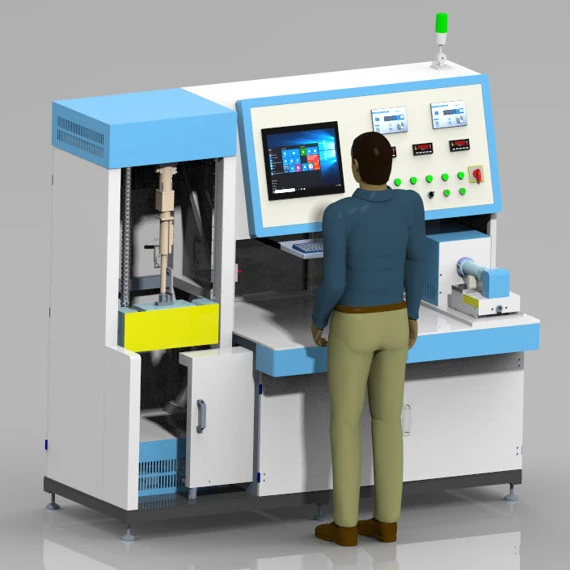

To ensure the durability and reliability of air vent testing equipment, it's important to choose equipment that is designed to withstand the specific environmental conditions of the application. Look for equipment that is made from high-quality materials and that has been tested and certified to meet industry standards. Additionally, follow the manufacturer's recommendations for maintenance and care, and perform regular inspections and servicing to identify and address any potential issues before they become major problems.
4. User Training and Support
Using air vent testing equipment requires specialized knowledge and skills. Many users may not be familiar with the operation and maintenance of the equipment, which can lead to errors and inaccurate readings. Additionally, users may encounter technical problems or have questions about the equipment, and may need access to technical support and training.
To address user training and support issues, it's important to choose a supplier that offers comprehensive training and support services. Look for a supplier that provides on-site training, online resources, and technical support to help users learn how to use the equipment effectively and troubleshoot any problems that may arise. Additionally, consider investing in user manuals, training materials, and software updates to ensure that users have access to the latest information and resources.
5. Cost and Budget Constraints
Cost is always a consideration when purchasing air vent testing equipment. High-quality equipment can be expensive, and budget constraints may limit the options available to users. Additionally, the cost of calibration, maintenance, and support can add up over time, making it important to consider the total cost of ownership when making a purchasing decision.
To manage cost and budget constraints, it's important to compare the features and prices of different air vent testing equipment options. Look for equipment that offers the best value for money, and that meets the specific needs and requirements of the application. Additionally, consider leasing or financing options to spread the cost of the equipment over time.
Conclusion
Air vent testing equipment is an essential tool for ensuring the performance, safety, and compliance of air vent systems in various industries. However, like any technology, it is not without its challenges. By understanding the common problems with air vent testing equipment and taking steps to address them, users can ensure that their equipment operates accurately, reliably, and efficiently.
If you're in the market for air vent testing equipment, I encourage you to visit our website at Air Vent Testing Equipment to learn more about our products and services. We offer a wide range of air vent testing equipment, including Injection Molded Part Inspection System, Door Actuator Testing System, Interior Trim Testing Equipment, and Motor Testing Equipment. Our team of experts is available to provide technical support and guidance, and to help you choose the right equipment for your needs. Contact us today to start a conversation about your air vent testing requirements.
References
- Manufacturer's manuals and documentation for air vent testing equipment.
- Industry standards and guidelines for air vent testing and performance.
- Technical articles and research papers on air vent testing and related topics.


