

Hey there! As a supplier of Door Actuator Testing Systems, I often get asked about the lifespan of these nifty pieces of equipment. So, I thought I'd sit down and write a blog post to share some insights on this topic.
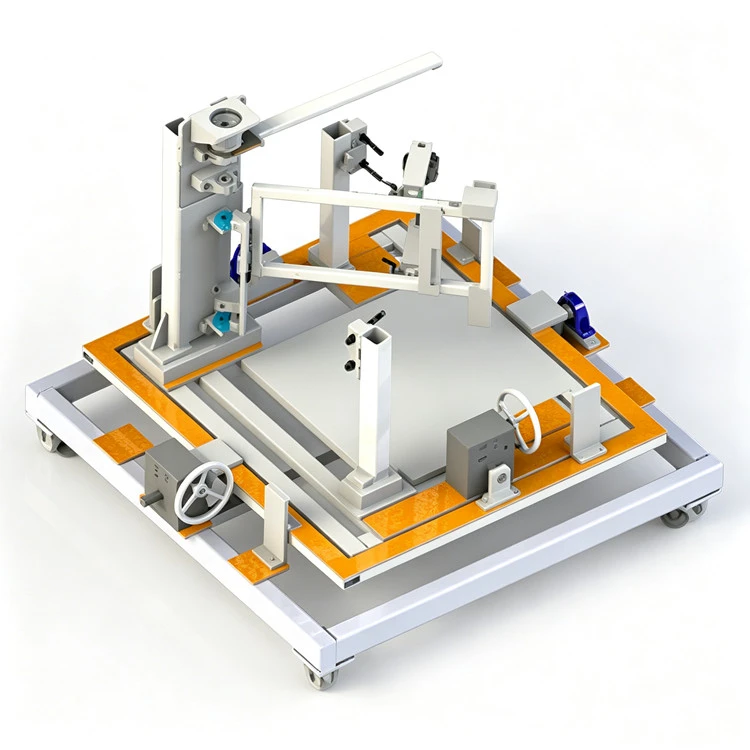
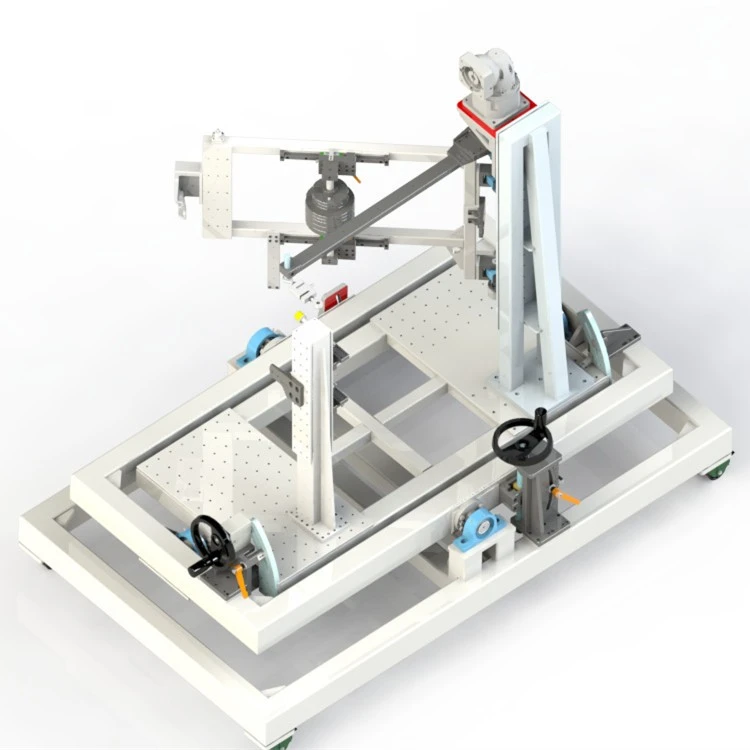
First off, let's talk about what a Door Actuator Testing System actually does. These systems are used to test the performance and durability of door actuators, which are the components that control the opening and closing of doors in various applications, like cars, buildings, and industrial machinery. The testing system simulates different operating conditions to ensure that the door actuator can handle the real-world demands it'll face.
Now, when it comes to the lifespan of a Door Actuator Testing System, there's no one-size-fits-all answer. It depends on a bunch of factors, and I'll break them down for you.
Quality of Components
The quality of the components used in the testing system plays a huge role in its lifespan. High-quality sensors, motors, and control units are more likely to last longer. For example, if the system uses cheap sensors, they might start to give inaccurate readings after a relatively short period. On the other hand, top-notch sensors can maintain their accuracy for years. At our company, we always use high-quality components in our Door Actuator Testing System to ensure a long and reliable lifespan.
Frequency of Use
How often the testing system is used also affects its lifespan. If it's running non-stop, 24/7, it's going to wear out faster than a system that's only used occasionally. For instance, a testing system in a large automotive manufacturing plant that tests hundreds of door actuators every day will experience more wear and tear compared to a system in a small research lab that's used once a week.
Maintenance and Care
Proper maintenance and care are crucial for extending the lifespan of a Door Actuator Testing System. Regular cleaning, calibration, and inspection can prevent small issues from turning into big problems. For example, if the system's moving parts aren't lubricated regularly, they can start to wear down quickly. We provide detailed maintenance instructions with our testing systems, and we also offer maintenance services to our customers.
Operating Environment
The environment in which the testing system operates can have a significant impact on its lifespan. If the system is exposed to extreme temperatures, humidity, or dust, it can cause damage to the components. For example, in a hot and humid factory, the electronic components might overheat or corrode. That's why it's important to install the testing system in a suitable environment and take appropriate measures to protect it.
Technological Advancements
The lifespan of a testing system can also be affected by technological advancements. As new technologies emerge, older testing systems might become obsolete. For example, if a new type of door actuator is developed that requires a different testing method, an older testing system might not be able to handle it. However, at our company, we're constantly updating our Door Actuator Testing System to keep up with the latest technological trends.
Typical Lifespan Range
Based on our experience, a well-maintained Door Actuator Testing System can last anywhere from 5 to 15 years. However, this is just a rough estimate, and the actual lifespan can vary depending on the factors I mentioned above.
Comparing with Other Testing Systems
It's interesting to compare the lifespan of a Door Actuator Testing System with other types of testing systems. For example, an Injection Molded Part Inspection System might have a similar lifespan if it's used in a similar environment and maintained properly. On the other hand, Interior Trim Testing Equipment might have a different lifespan depending on the complexity of the testing it performs.
Motor Testing Equipment and Air Vent Testing Equipment also have their own unique lifespans, which are influenced by factors like the quality of components, frequency of use, and operating environment.
Extending the Lifespan
If you want to extend the lifespan of your Door Actuator Testing System, here are some tips:
- Follow the maintenance schedule provided by the manufacturer. This includes regular cleaning, calibration, and lubrication.
- Keep the operating environment clean and controlled. Avoid exposing the system to extreme temperatures, humidity, and dust.
- Train your staff on how to use the testing system properly. Improper use can cause damage to the components.
- Stay updated on the latest technological advancements and consider upgrading your testing system when necessary.
Conclusion
In conclusion, the lifespan of a Door Actuator Testing System depends on several factors, including the quality of components, frequency of use, maintenance and care, operating environment, and technological advancements. By taking good care of your testing system and following the tips I mentioned, you can ensure that it lasts for a long time.
If you're in the market for a Door Actuator Testing System or have any questions about the lifespan or performance of our systems, don't hesitate to reach out. We're here to help you make the right choice for your testing needs.
References
- Industry standards and best practices for testing equipment maintenance.
- Manufacturer's specifications and guidelines for Door Actuator Testing Systems.


